What Is Refractory Material?
Refractory material is any material engineered to resist high temperatures, thermal stress, and chemical exposure inside industrial furnaces, kilns, reactors, and fired process equipment. Unlike ordinary construction materials, refractories maintain their structural integrity and insulating properties at temperatures that would melt or destroy conventional metals and ceramics, typically above 1,000°F and in many industrial applications well above 2,000°F. They are a critical component in virtually every energy-intensive industrial process, from oil refining and steelmaking to cement production and glass manufacturing.
Definition: Refractory material is a heat-resistant material used to line industrial furnaces, kilns, and reactors. It must withstand temperatures above 1,000°F without degrading, melting, or losing structural integrity.
What Makes a Material Refractory?
A material is classified as refractory if it meets two core requirements: it must have a high melting point, generally above 2,912°F (1,600°C) per the ASTM definition and it must maintain adequate mechanical strength and chemical stability at elevated operating temperatures. Most refractory materials are composed of metal oxides, carbides, nitrides, or silicates that naturally resist thermal breakdown.
The three most common base materials in industrial refractories are alumina (aluminum oxide), silica (silicon dioxide), and magnesia (magnesium oxide). Each has different thermal performance characteristics, chemical resistance profiles, and appropriate application ranges. High-alumina refractories are the most widely used in Gulf Coast refinery and petrochemical applications because of their combination of high-temperature strength and resistance to acidic and neutral process environments.
The Main Types of Refractory Materials
Industrial refractory materials fall into four broad product categories, each suited to different applications and installation methods:
Ceramic Fiber Insulation
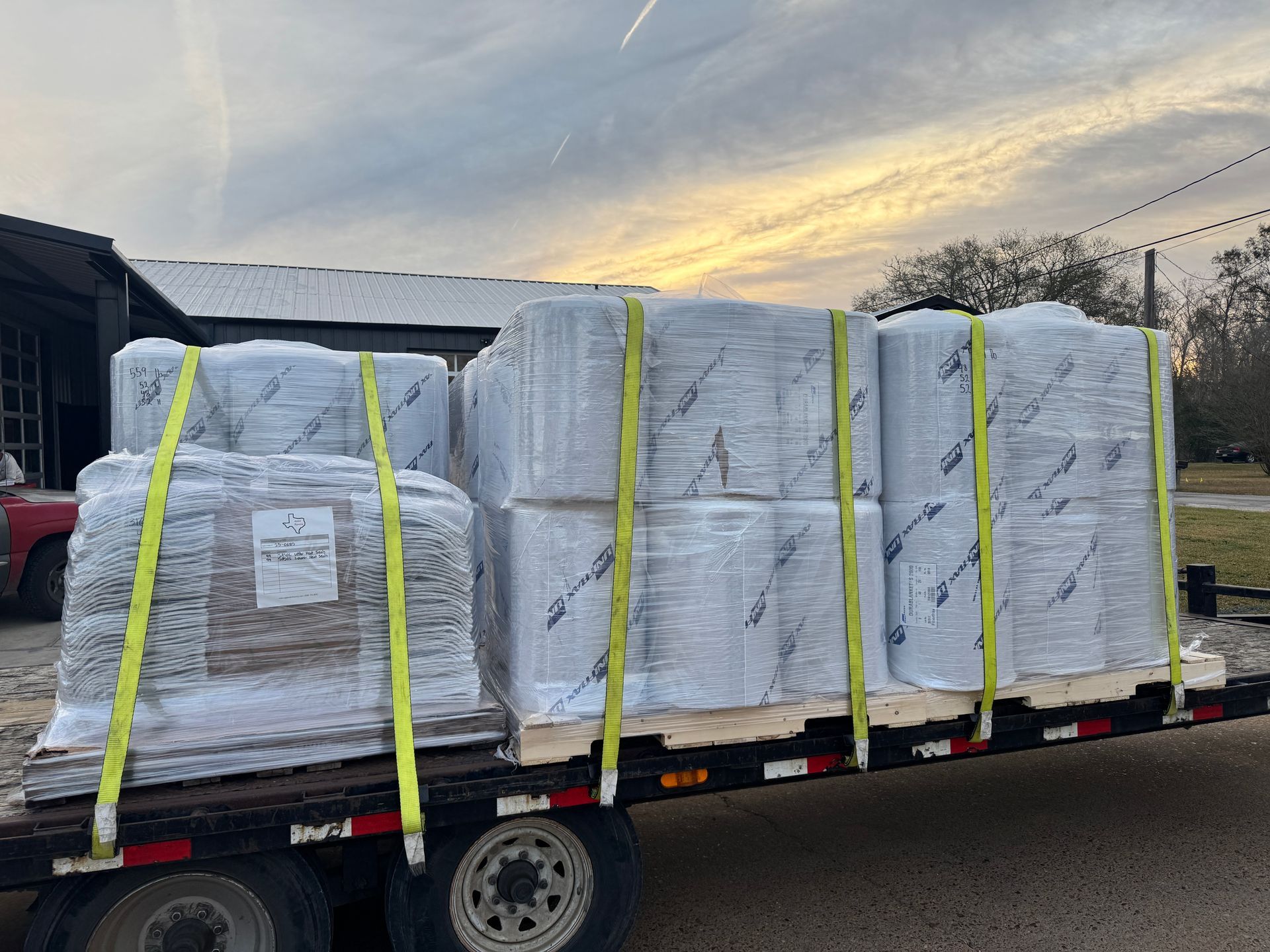
Ceramic fiber is a lightweight, low-thermal-mass insulation material manufactured from alumina-silica fibers. It is available as modules, blankets, boards, paper, and rope and is the dominant lining material in modern process heaters, ethylene crackers, and industrial furnaces where fast heat-up cycles, low fuel consumption, and easy installation are priorities. Ceramic fiber is rated from 2300°F through 3000°F depending on fiber composition and grade.
Insulating Fire Bricks (IFBs)
Insulating fire bricks are lightweight fired-clay bricks with high porosity and low thermal conductivity. They provide structural insulation in applications where ceramic fiber cannot carry the mechanical load — kiln car decks, furnace hearths, boiler backup insulation, and load-bearing furnace walls. Available in 2300°F through 3000°F temperature grades.
Castable and Monolithic Refractories
Castable refractories are hydraulic-setting cement-like materials poured, gunned, or rammed into place. They are essential for complex geometries, wear zones, burner blocks, FCCU cyclone linings, and repair applications where preformed shapes cannot fit. They range from standard-duty formulations through ultra-low-cement high-performance castables for demanding environments.
Dense Refractory Brick
Dense refractory bricks — fireclay, high-alumina, and specialty compositions — are the traditional lining material for blast furnaces, coke ovens, glass tanks, and cement kilns. They offer high mechanical strength and chemical resistance but have higher thermal mass than ceramic fiber or IFBs, meaning longer heat-up times and higher energy requirements. Dense brick is still preferred in applications with severe abrasion or chemical attack where lightweight materials would fail prematurely.
What Are Refractory Materials Used For?
Refractory materials are used in any industrial process that generates or requires sustained high temperatures. The most common applications in the industrial markets Applied Refractory serves include:
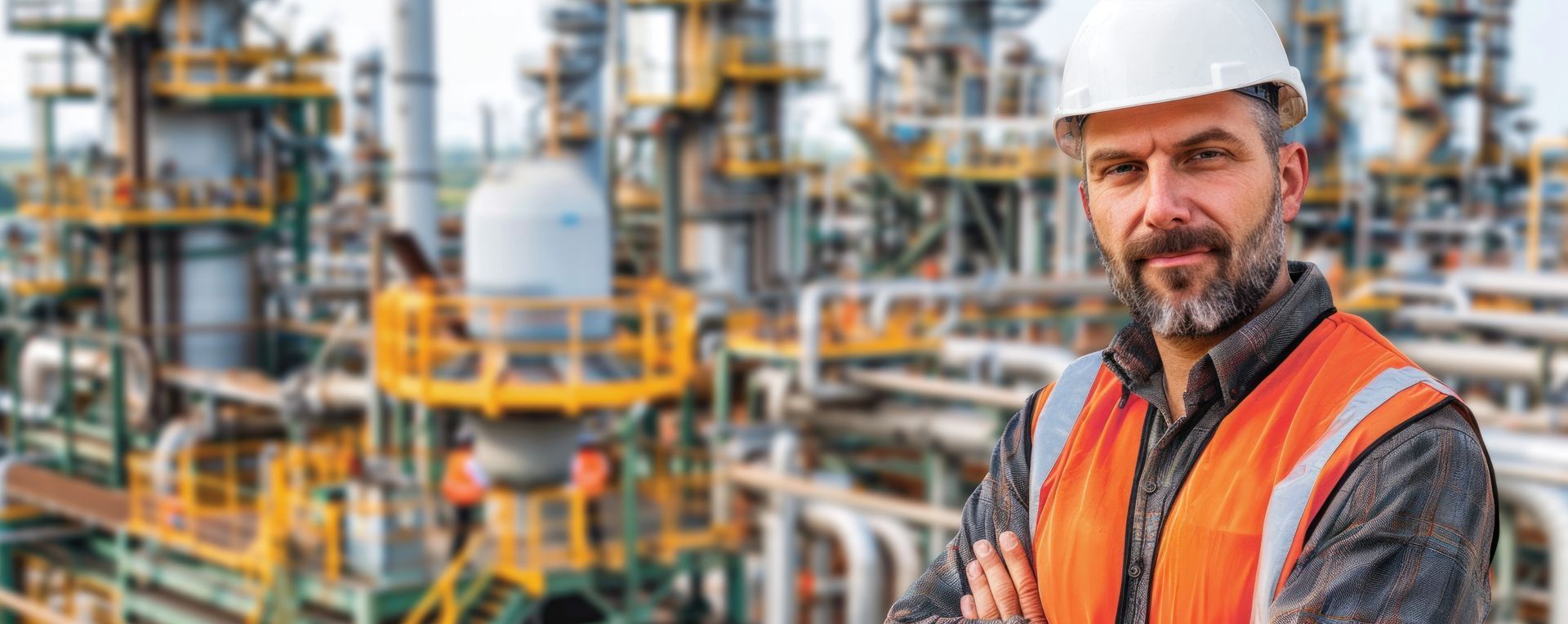
- Oil refinery process heaters and FCCUs: Ceramic fiber modules and castable refractories line the walls, roofs, and burner zones of process heaters and fluid catalytic cracking units at refineries throughout the Gulf Coast and Midwest.
- Ethylene cracking furnaces: Ceramic fiber modules at precise temperature classifications insulate cracking furnace walls and roofs in petrochemical plants along the Houston Ship Channel and Gulf Coast corridor.
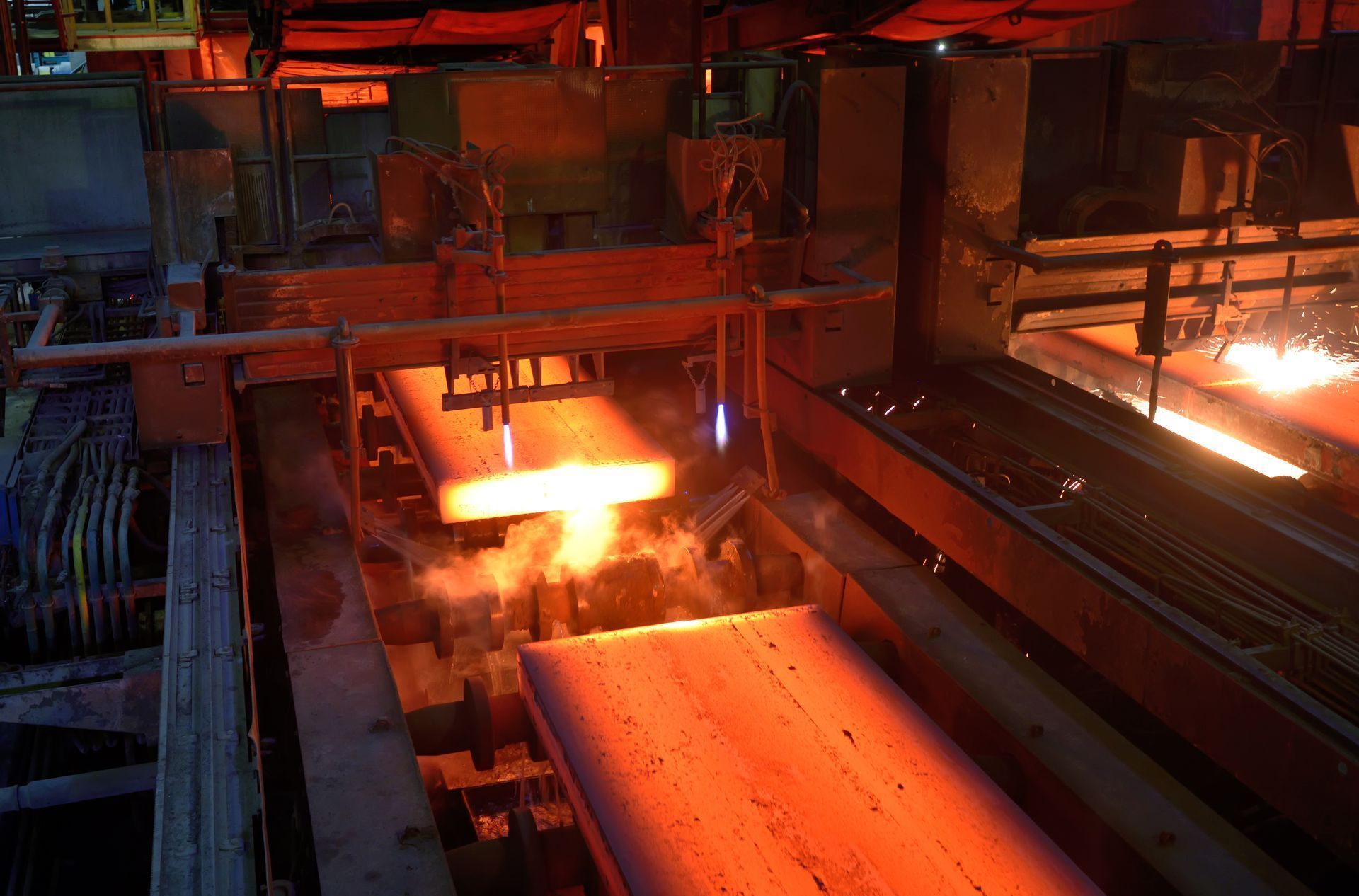
- Steel ladles and EAF vessels: High-alumina castable refractories line steel ladles, tundishes, and electric arc furnace vessels at steelmakers including US Steel's Mon Valley Works and Cleveland-Cliffs.
- Industrial heat treating furnaces: Ceramic fiber systems insulate car-bottom furnaces, box furnaces, and forge furnaces at manufacturing and fabrication facilities where rapid heat-up cycles reduce production time and energy cost.
- Kilns and dryers: Cement, lime, alumina, and frac sand processing operations use refractory linings in rotary kilns and dryers for continuous high-temperature thermal processing.
How Do You Choose the Right Refractory Material?
Selecting the correct refractory material for an application requires evaluating four key factors:
- Operating temperature: The hot-face temperature of the equipment determines the minimum temperature classification required. Always specify a grade with at least 10–15% thermal margin above the maximum expected operating temperature.
- Thermal cycling frequency: Applications that heat up and cool down frequently — heat treating furnaces, batch kilns, intermittent process heaters — benefit most from ceramic fiber's low thermal mass. Continuous-operation furnaces can use heavier materials without the fuel penalty.
- Mechanical load: Equipment with load-bearing furnace floors, kiln car decks, or high-velocity gas flows requires castable or dense brick materials that can withstand the mechanical stress. Ceramic fiber is not appropriate for load-bearing applications.
- Chemical exposure: Process environments with acid gas, alkali, or slag contact require specific refractory compositions selected for chemical resistance. High-alumina materials resist neutral and acidic environments; basic refractories (magnesia, dolomite) resist alkaline slag in steelmaking.
For more detailed guidance on refractory material selection, see our
Refractory Materials FAQ page — covering over 20 common application and selection questions from procurement managers and facility engineers.
Applied Refractory — Refractory Materials for Gulf Coast and National Industrial Facilities
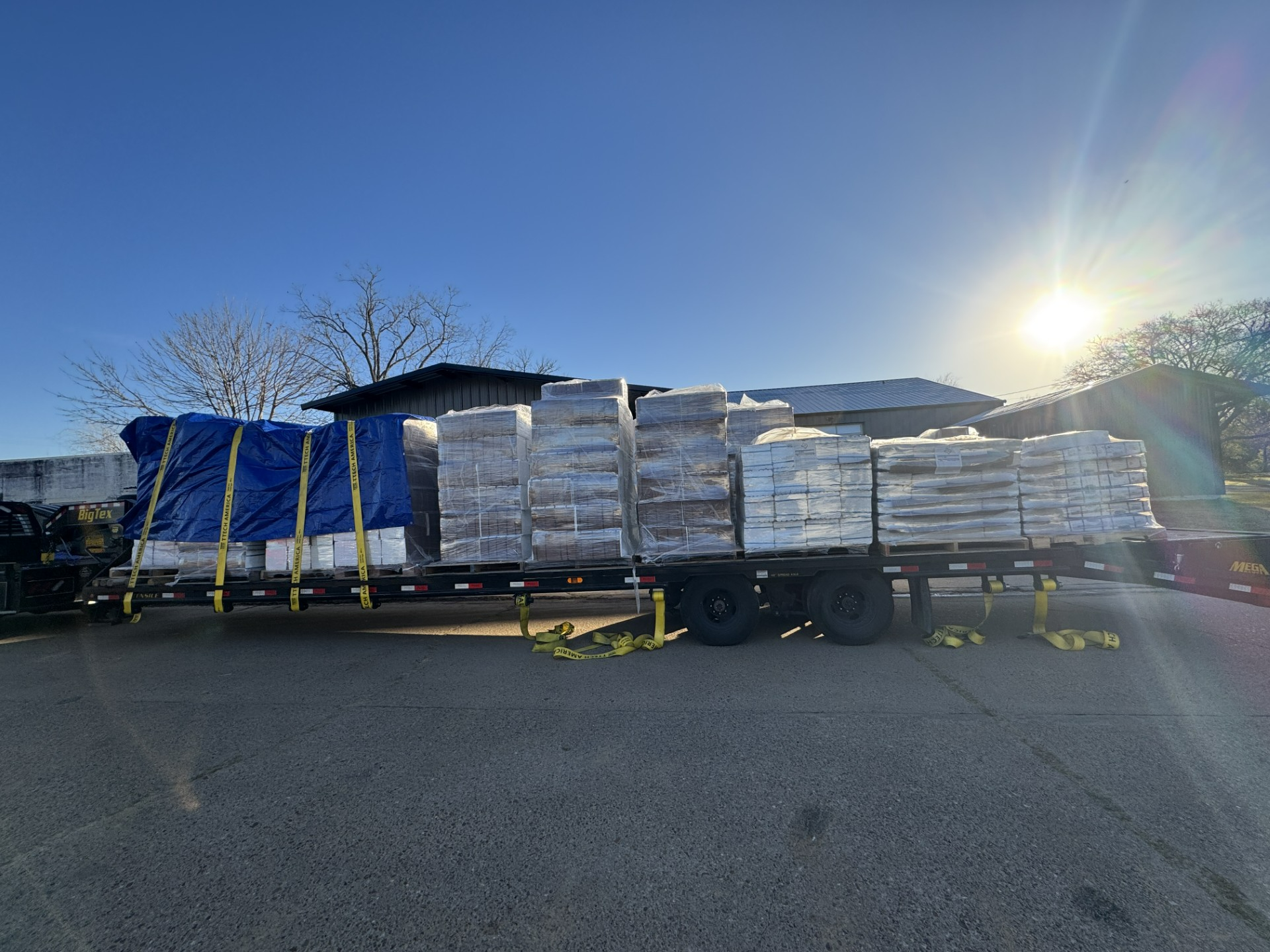
Applied Refractory manufactures ceramic fiber insulation products in-house at our Liberty, TX facility and distributes a full range of castable refractories, insulating fire bricks, and refractory hardware from Allied Mineral Products, WESCO Refractories, RATH Group, and Pocono Fabricators/SAUERISEN. We supply industrial facilities across Houston, Corpus Christi, Baton Rouge, Pittsburgh, Billings, and beyond.
For Houston-area facilities, visit our
Industrial Equipment Supplier in Houston, TX page for a full overview of our product range and supply capabilities. To speak with a specialist, call
(936) 776-4070 or email
sales@appliedrefractory.net.
Applied Refractory | 1003 Washington Street, Liberty, TX 77575 | (936) 776-4070 | sales@appliedrefractory.net